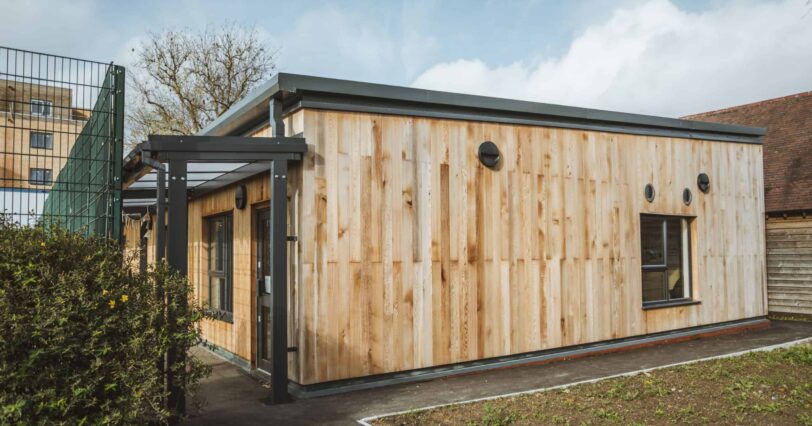

As the school summer break approaches, estates managers are entering a critical time of year, the six-week window where they can deliver refurbishments and new-build projects without disrupting students and teaching.
Across the break, schools should utilise MMC to complete cost-effective projects in a timely manner, as modular construction significantly reduces on-site programme durations and disruption compared to traditional construction.
Across schools, the need for flexible, quick-turnaround buildings is becoming more common, as classrooms need to be scaled up or down to accommodate changing demand or upgraded to meet new requirements. Modular buildings are emerging as the solution, as they can be designed, manufactured, and delivered with the required speed and efficiency while meeting school specifications and sustainability standards.
Fast construction, delivered on time and on budget
One of the advantages of MMC, specifically modular construction is that up to 90% of the build takes place offsite, meaning disruption to the live environment and any costly delays due to weather or staffing issues are significantly reduced.
Modules are manufactured offsite in a factory-controlled environment, then transported and assembled onsite, meaning the groundworks and module production can happen simultaneously, so the overall construction and installation process is significantly shortened.
Schools are constantly operating within tight budgets, and modular construction provides greater cost certainty, as the controlled factory processes and shorter timelines help reduce the risk of unexpected delays or cost overruns.
This allows schools to plan effectively and means construction projects can minimise disruption to term-time activities, so students and teachers can return to well designed, upgraded school sites in September.
High quality, well designed, comfortable spaces
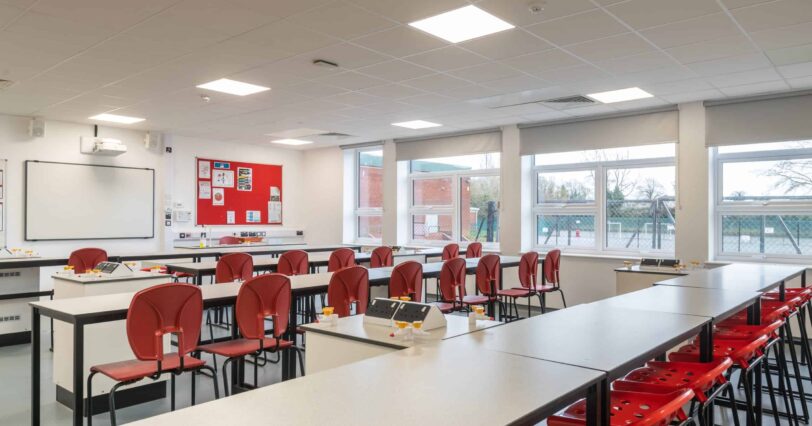
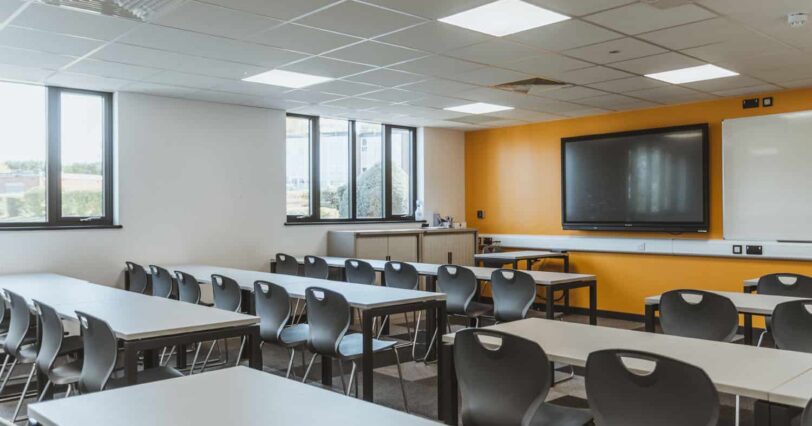
Modular solutions provide high-quality spaces designed with people in mind and can feature spacious open spans and high ceilings for a brighter, more comfortable environment. Temporary modular classrooms offer flexibility whilst providing the same feeling as a permanent space.
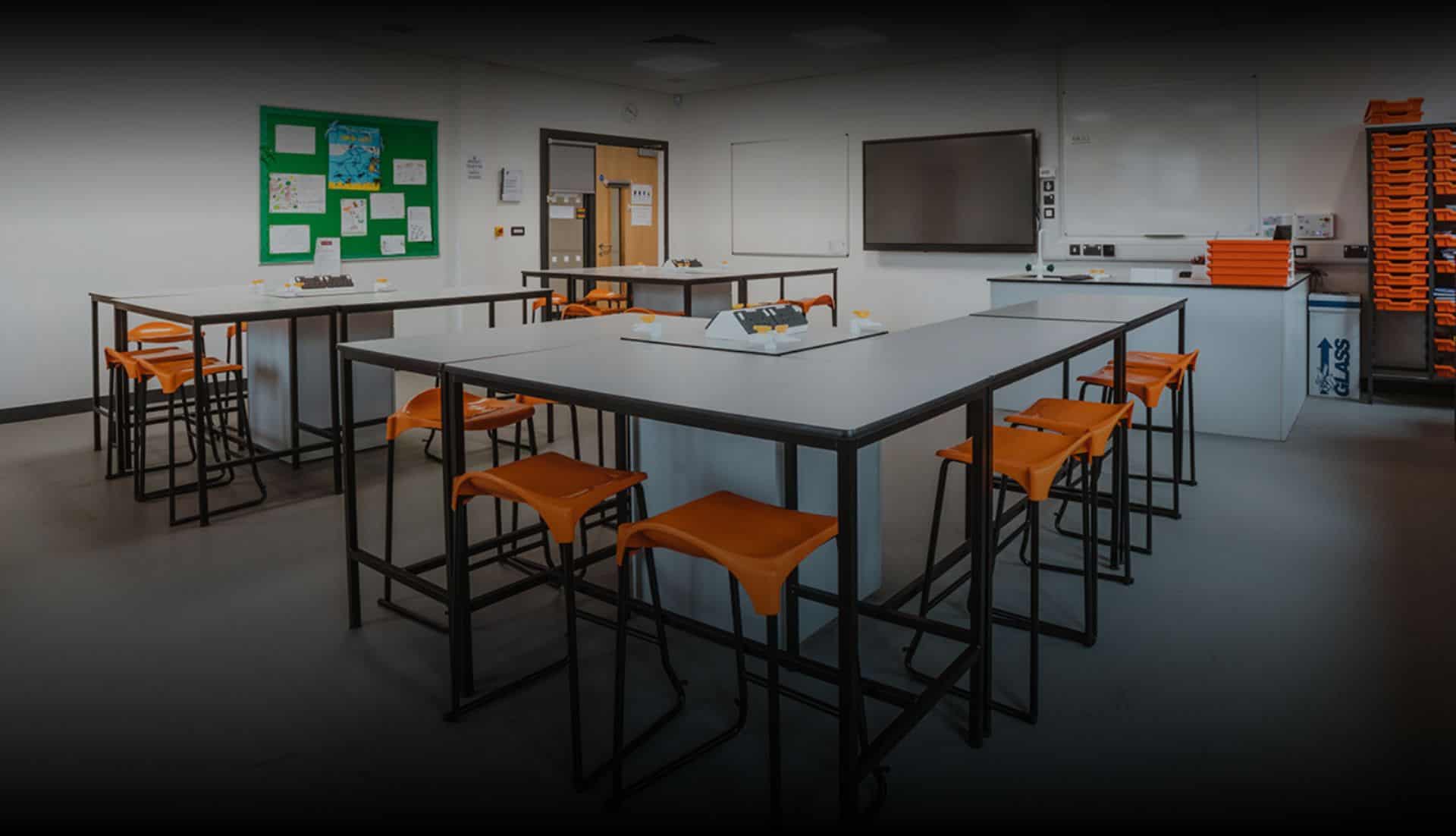
Modular classrooms are highly customisable and can be designed to a high specification, providing open-plan, bright, and airy spaces, with the option to create specialist zones or recreation areas, such as therapy rooms or external breakout areas, where appropriate.
Modular solutions can also be highly tailored to pupils’ needs, including sensory rooms, therapy rooms and designated quiet spaces. Design should be purposeful, and features can be incorporated across schools to improve students learning. For example, acoustic panels or soft furnishings can be used in modular buildings to reduce noise levels and, by absorbing sound, these features can help to limit distractions and enhance students’ focus.
Improving flexibility and scalability in schools
Any new school buildings and refurbishments need to be flexible and scalable so that estates managers can accommodate fluctuations in students’ numbers.
Modular solutions encourage flexibility, as even after installation, units can be reconfigured to adapt to new or enhanced requirements, allowing for the creation of multi-functional spaces that can change with a school’s needs. By utilising a flexible, modular solution, school rooms can be easily modified, repurposed, reconfigured, reused or expanded to seamlessly accommodate changing requirements.
Once no longer needed, these units can either be reused on other areas of the site, reconfigured and deployed to a new site, or recycled entirely.
Sustainable, modular buildings
Finally, both construction on school sites and new buildings need to be sustainable and compliant with Net Zero targets.
Modular construction leads to less on-site emissions and the lean manufacturing processes used optimise resource efficiency as surplus materials are either repurposed within production or recycled, creating fewer offcuts or waste parts.
Modular buildings also generate less waste, as they can be reused, reconfigured, or relocated. We purposefully design units for disassembly and relocation, keeping valuable materials in use and embodied carbon locked within the structure. Plus, the buildings can come installed with innovative low carbon technologies such as solar panels, highly insulated fabric, and rainwater harvesting systems enhancing the eco-friendly credentials of the project and long-term benefits.
Want to find out more about how MMC can deliver high quality, sustainable spaces within a fixed timeline? Contact the team here.