
This summer, repeated heatwaves have driven classroom temperatures up, with indoor temperatures reaching 40°C on occasion, forcing thousands of schools across the country to close.
In the medium term, governments and local authorities must act to ensure all schools are equipped to withstand higher temperatures.
The extreme heat is also leading estates managers to consider how to achieve sustainability goals in the longer term.
So, how can schools accelerate their journey towards Net Zero?
Reducing the environmental impact of construction
As new school buildings and projects are completed, sustainability should be front of mind.
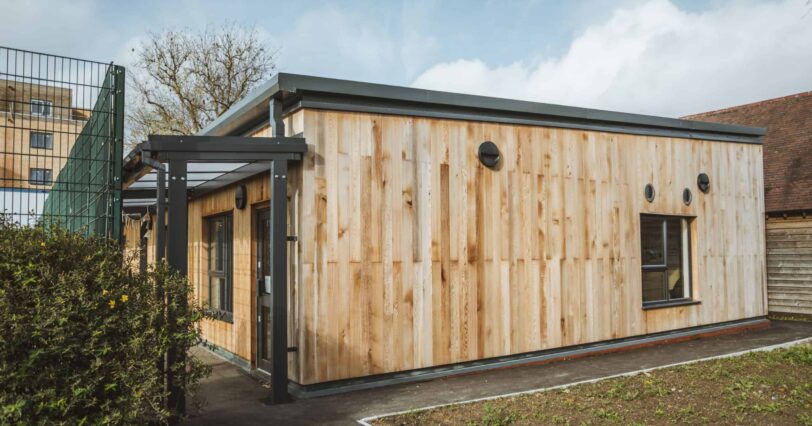
Modular construction provides a greener approach to installing new buildings by reducing waste, emissions and resource consumption from the outset. Offsite construction allows all building components to be manufactured in a single location and transported to site, meaning that compared with traditional methods, modular buildings require far fewer vehicle movements. This not only lowers emissions but also benefits local communities and the surrounding environment.
The efficiency with which materials are used also reinforces the sustainability of modular buildings. Offsite manufacturing significantly cuts down the wastage experienced on construction sites by ensuring materials are used precisely, helping reduce offcuts and the amount of waste generated.
A circular future
Modular buildings offer both sustainability and circularity, driven by innovative design and low-carbon construction methods. We also prioritise using materials that are 100% recyclable or reusable.
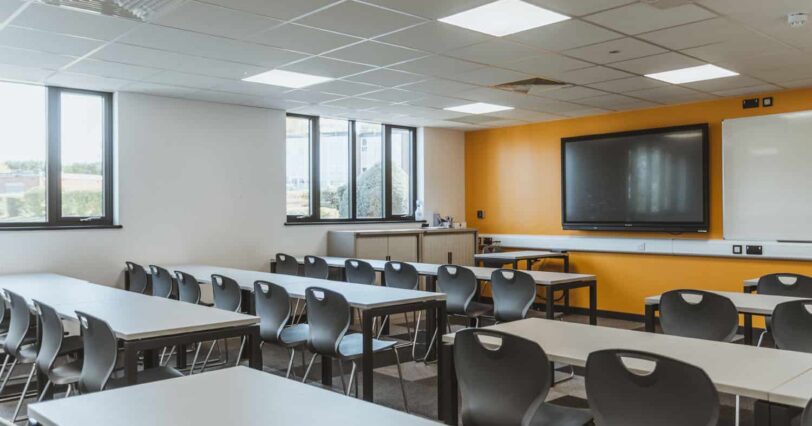
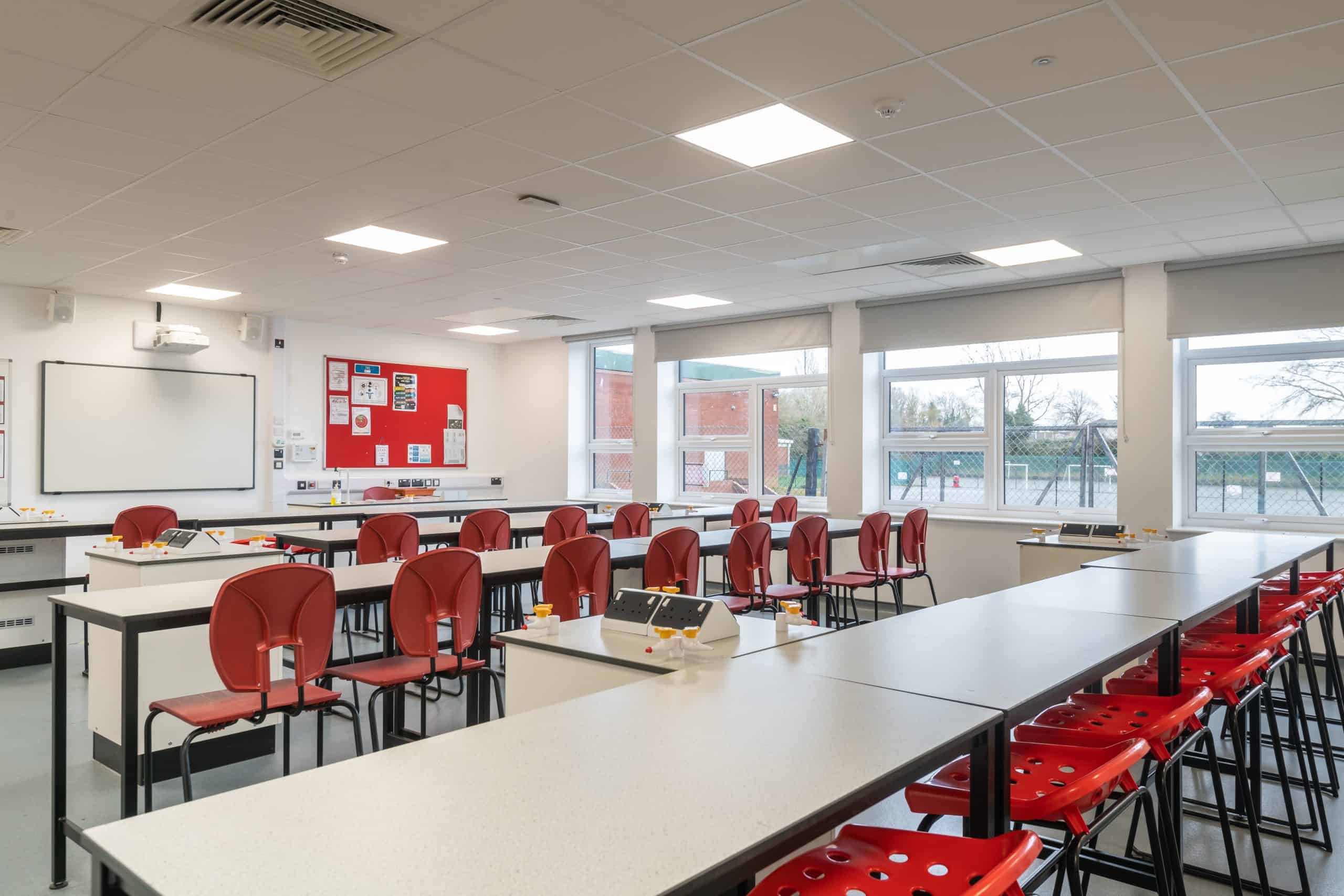
Modular solutions have a unique, adaptable nature, which means they can be relocated, reconfigured or recycled at the end of their life. By ensuring materials and structures can be repurposed or reused, valuable materials can be kept in use and embodied carbon locked within the structure. The adaptable nature of buildings also provides schools with the flexibility they require to accommodate fluctuating pupil demand and changing demographics.
This reduction in carbon emissions can also be taken further to buildings themselves, with the implementation of low and zero carbon technologies. Operational carbon refers to the emissions associated with the energy used to operate a building. These emissions are significantly reduced by increasing efficiency and embracing renewable energy sources.
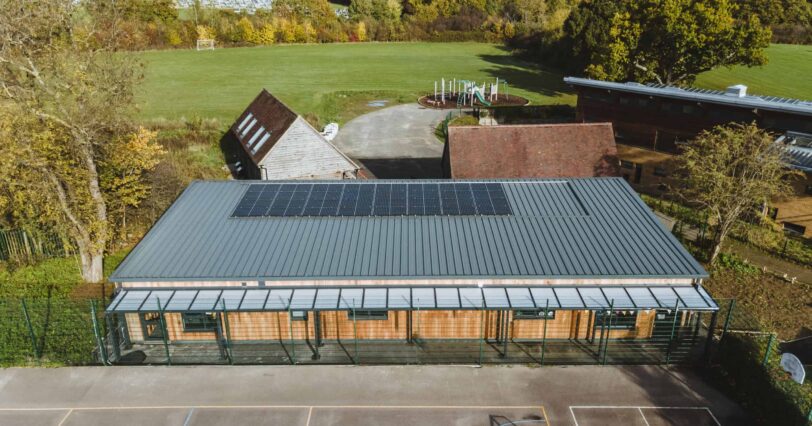
Fortunately, our precision manufacturing techniques create highly airtight buildings that improve thermal efficiency, resulting in lower running costs and reduced carbon emissions. Another benefit of modular construction is that solutions can be easily fitted or designed with green technologies, ranging from solar PV panels to ground source heat pumps and rainwater harvesting systems.
Achieving Net Zero requires a whole-life approach to school buildings, from how they’re constructed to how they perform over decades of use. Modular construction and buildings offer a practical solution, helping schools reduce environmental impact while creating high-quality learning environments.
Want to find out more about how modular solutions can help your schools achieve net zero goals? Contact the team here.